

What I Mean When I Say Art Has Been Deliberately Relegated to the Elite
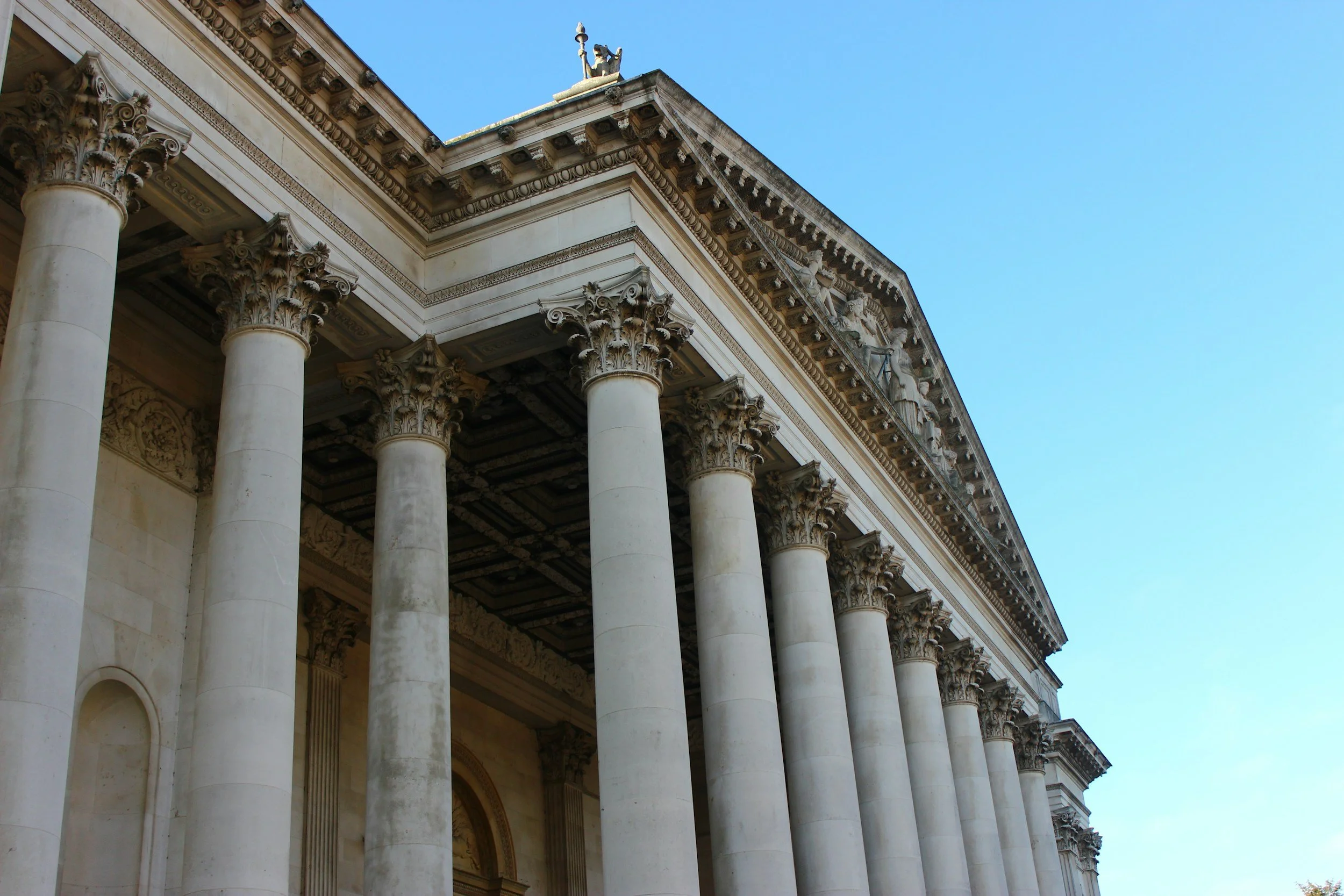
I often talk about how the traditional art world has failed. At its core, what I mean is that art is for everyone - art fundamentally belongs to all of humanity, and everyone has an innate right to experience and connect with art. Yet by design, the established art world institutions have positioned art as an elitist and intensely academic pursuit, making it feel completely inaccessible to the rest of us.
Art is a centerpiece of our shared human experience because it allows us to express our diverse cultures, perspectives, emotions and stories in profound visual form. Great artworks expand our empathy and understanding of each other across all boundaries. Having art present in our daily lives, rather than just visiting stuffy museums occasionally, fosters inspiration, new insights, joy and solace. Surrounding ourselves with art that resonates deeply can make us think in new ways, provide comfort, and and guide us through as we process this human experience.
Yet the traditional gatekeepers of the art world - museums, galleries, consultants - have systematically made art feel exclusionary, rarefied and divorced from most people's everyday realities. Let me explain, starting with the standard art museum experience.
When you visit a museum to appreciate its art collection, the exhibits are almost always organized by historical period and artistic movement. This curation filters the art through an academic, museum-centric lens right from the start. An untrained visitor could easily miss out on amazing works simply because they don't know the proper context and period to find what might speak to their personal interests and life experiences.
I mean let’s say you have religious trauma, for example. You’re going to have a very challenging time navigating without extensive historical knowledge.
You can of course approach museum guides, staff and docents for help. But, what exactly are you looking for? They are not well-versed in helping you navigate a personal experience. If you were amidst grief and went to the museum for solace, they are not going to be able to build a path through for you to mirror your experience. So what do you even ask them? I’m not sure.
Once you do find a gallery, the museum environment itself is intimidating. The rooms are typically hushed, every footstep echoes loudly, and you feel intensely observed, even if it's just by security guards. The unstated rules suggest you must be quiet, take up minimal space, and move along quickly. There are very few places to sit, reflect, take notes and deeply absorb the art at your own pace. Eesh.
Maybe you’re drawn to the information plaques next to works, hoping they will guide your emotional experience. Unfortunately, these provide only basic facts about the period, influences (sometimes) and artist - geared towards art historians, not everyday visitors seeking personal context and insight.
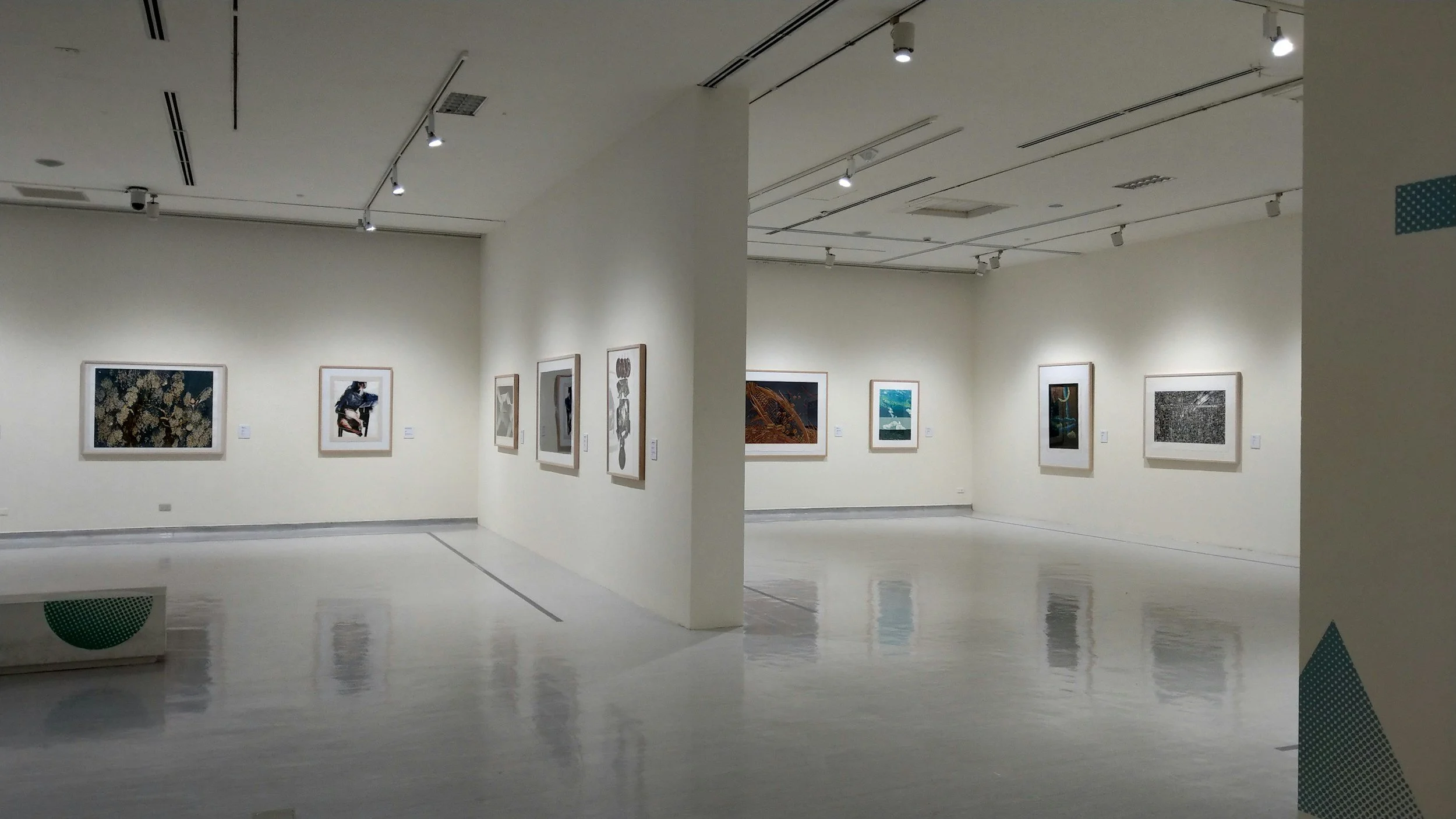
Art galleries are usually free. So, theoretically democratic. But they operate in a similar exclusionary mode. You enter those intensely quiet, serious white box spaces and immediately feel like you don't belong unless you are a wealthy, sophisticated buyer. You’re immediately approached and either pretend to be a buyer or excuse your presence their saying I’m not here to buy, is that okay, am I allowed to be here. They’re going to be very nice to you and tell you of course, and they’re there if you need them.
Art galleries are usually much more contemporary, so again theoretically closer to home, more relevant. There’s usually a lot more information on the artist, an artist statement, ways of digesting the visual information and integrating it. But…
The contemporary artworks can often be very conceptual, making you feel clueless and uncultured if you don't immediately "get it." And then you see the price tags, which probably feel outrageous. Or artwork pricing is not clearly displayed, reinforcing the coded message that if you even need to ask about the costs, this piece is not for you.
All very subtly but powerfully suggesting this isn’t a space for you, and ushering you out the door.
The online art world would seem to be the most open, accessible option in our digital era. But it also proves lacking in helping create personal art connections. You're confronted with an overwhelming digital deluge of artwork with little guidance on how to navigate and appreciate it all. Critical context about the artist's perspective and inspiration is usually missing. There are no prompts on how to personally interpret each piece and connect it to your own lived experiences. And to be fair, they are there to sell art, not give you a meaningful experience of art. They don’t seem to realize that they are offering an alternative art experience, that of owning art in the comfort of your home, which should, really, be a reflection of you.
Where are the prompting questions? Where are the guides to help you integrate this into your own life? Where are the people you can ask the “dumb” questions to, and can explore your emotional responses. Where is the opportunity for you to fall in love with art?
Theoretically, art consultants. They offer a tailored, custom to you experience. Unfortunately…
Most traditional art advisors and consultants cater only to collectors with minimum art budgets of $10,000 or more, plus at least a 10% commission tacked on for their services.
Kind of a steep ask.
As an untraditional art consultant, I intentionally operate outside this elite, cost-prohibitive model. My mission is to make art radically accessible, to anyone. I provide personalized guidance to help you find and experience artworks that genuinely resonate with your life, spark your passions, and enlighten your perspective. Because that's what art is truly meant for - to forge connections, nurture our humanity, and enrich all people by illuminating the diverse creativity within our shared experience.
I am so invested in this mission because it's such a huge missed opportunity and cultural failure that something as fundamental as art has become structurally disconnected from most people's daily lives and reality. I believe with every fiber, that all humans deserve to access art - it is our birthright and an essential pillar to our experience. I am on a quest to find new ways to help reconnect people to art at an essential, elementary level core to their humanity. To help integrate art as a natural part of daily life - whether as inspiration upon waking up, moments of reflection throughout the day, pondering with friends over drinks, seeking solace at night's end. Art should be a source of wonder, not inaccessible mystique.
Even the term "art consultant" gives me pause, as it comes with baggage and connotations of elitism and exclusivity. I don't want to be that. I simply want to be a guide to help reclaim art for the people and all it can offer to enlighten, delight and enrich our lives. I'm happy to chat more about integrating art into your life in an accessible, open-hearted, non-judgmental way.
If you’re interested in working with me, I invite you to fill out this application.